
Overview: Spinal Neuropathy
Spinal neuropathy is a disorder in which there is damage to the nerves in an area of your spine. As a result, you may experience pain and/or numbness in parts of your body. Thankfully, this condition can be treated with the help of top spine doctors in NJ such as Dr. Han Jo Kim. Spinal neuropathy often starts out with mild symptoms; however, the disorder can become more serious over time. This may make it difficult for you to complete your everyday tasks.
What Are The Warning Signs of Spinal Neuropathy?
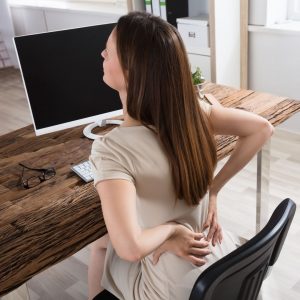
Some common warning signs of spinal neuropathy are abdominal pain, burning or tingling in the arms and legs, muscle weakness, loss of bladder control, trouble walking, swelling in your feet or ankles, foot drop (where one of your feet drags when you walk), incontinence (not being able to hold urine or stool), paralysis, and urinary retention. If you experience any of these symptoms, it is important to talk with your doctor as soon as possible because these symptoms may become much worse over time.
What Are The Treatment Options For Spinal Neuropathy?
Your orthopedic specialist can provide treatment for spinal neuropathy by injecting medication into the affected area followed by a rehabilitation program. If your condition is more severe, you may need surgery to relieve pressure on the nerves and prevent any further damage. There are some treatments available for those who suffer from spinal neuropathy. Your primary care physician may be able to recommend a treatment option that works best for you. In addition, orthopedic doctors can provide relief and even help with your rehabilitation.
Symptoms Associated with Spinal Neuropathy From Our Spine Doctors in NJ
As previously mentioned, there are mild symptoms of spinal neuropathy that may go away without treatment. Symptoms can include:
- Pain in the lower back or neck, which may be a sign of compression on nerve roots from a bulging disc in your spine.
- Tingling, numbness and muscle weakness in your arms and legs.
- In addition to these symptoms, there are other warning signs to watch for. They include:
- Numbness in your arms and legs, which is a sign of nerve damage that could spread throughout your body.
- Tingling in the upper chest or lower abdomen, which may be a sign that you have a condition called cauda equina syndrome. This occurs when the spinal cord is compressed or pressed on, which can lead to permanent nerve damage.
What Can Help Treat Spinal Neuropathy?
A primary care physician can offer treatment options for your back pain. For example, they may recommend the following:
- An over-the-counter medication, such as Tylenol or Ibuprofen.
- A prescription medication that is not an opioid, such as Neurontin, Lyrica or Cymbalta.
- Physical therapy, which can help strengthen your muscles and improve your overall flexibility.
Orthopedic doctors may be able to provide relief for those suffering from neuropathy in the legs. They do this by performing a procedure called an epidural steroid injection (ESI). ESI injections can target the nerves that are causing the pain, giving you the relief you need. They are often used to treat herniated discs or other disorders. Orthopedic doctors can also provide a minimally invasive surgery called lumbar decompression surgery. This procedure may help with nerve compression that is causing leg pain and weakness. It can even help with cauda equina syndrome.
Other Treatment Options For Spinal Neuropathy May Include:
- Traction or braces can be used to relieve pressure on the back and neck, which can help reduce pain.
- Physical therapy involves a series of exercises designed to strengthen your spine and core muscles. This helps prevent future injury and provides you with a strong foundation for recovering from this disorder.
In addition to using the above treatments, you can also do some things at home to help reduce your symptoms, such as:
- Maintaining a healthy weight and avoiding injury. This will ensure that your back and spine are put under less pressure which can prevent future compression of the nerve roots.
- Losing weight or maintaining a healthy weight. Excess weight can put pressure on your spine and cause it to curve more, which can lead to injury.
- Using a heating pad for temporary relief from back pain.
Contact Our Spine Doctors in NJ
If you seek treatment early on for spinal neuropathy, you may be able to slow the progress of the disorder and prevent further harm to your body. For more information about finding a treatment option that works for you, contact orthopedic spine doctors in NJ today.